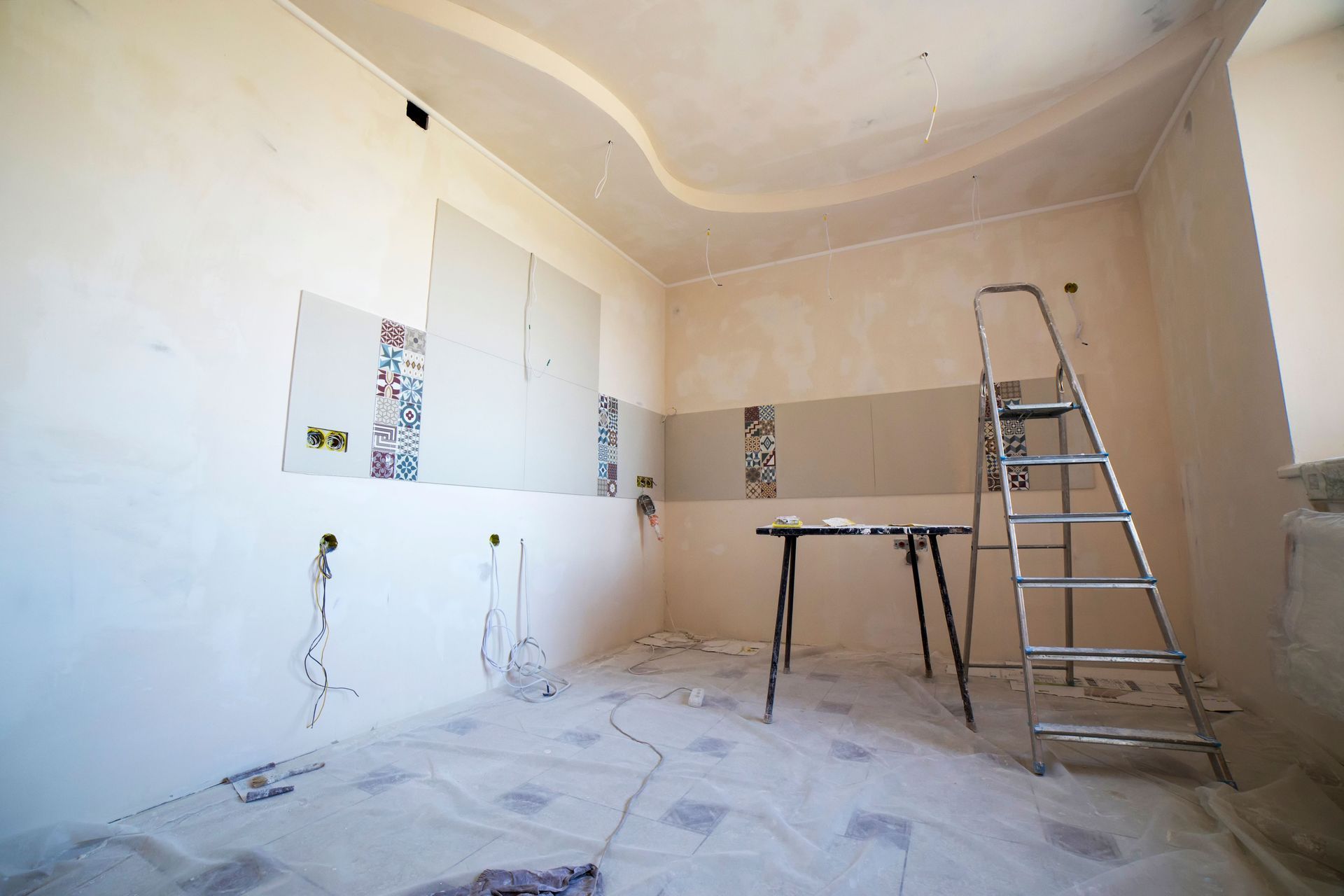
What Happens When a Tenant Damages a Rental Property? An Oregon Owner’s Guide
Rental property damage is a concern for every Oregon owner, whether it happens during a residency or is discovered after move-out. When a resident damages a rental property, the owner or property manager should document the condition, determine responsibility, address necessary repairs, and determine whether the resident can be charged for the cost.
Not every repair is resident-caused damage. Normal wear and tear, aging materials, and maintenance issues can also affect a property's condition, making documentation and consistent evaluation especially important.
In this guide, we'll explain what happens when a resident damages a rental property, how to distinguish damage from normal wear and tear, what documentation matters, and how Oregon security deposit requirements can affect the process. We'll also cover steps owners can take before and during a tenancy to reduce risk and protect their investment.
Rental Property Damage vs. Normal Wear and Tear
One of the first steps when evaluating rental property damage is determining whether it reflects normal wear and tear or resident-caused damage.The distinction depends on the cause, extent, age, and documented condition of the affected item. Normal wear results from ordinary use and natural aging, while resident damage may result from misuse, neglect, accidents, unauthorized changes, or failure to properly care for the home.
For example, minor carpet wear in high-traffic areas or paint that has faded over time may reflect normal wear and tear. A broken door, large holes in a wall, or flooring damaged through neglect may be considered resident-caused damage.
The distinction matters because not every repair needed after move-out is the resident's responsibility. This is particularly important for first-time landlords in Oregon who are still becoming familiar with their responsibilities throughout the tenancy. Evaluate each situation based on the property's documented move-in and move-out condition, the age of the affected item, the cause of the damage, and other relevant circumstances. A clear, well-documented evaluation helps owners determine responsibility and whether a charge to the resident may be appropriate.
For a more detailed breakdown of how to evaluate these conditions, see our guide to Normal Wear and Tear vs. Resident Damage in Oregon Rentals.
What Happens When Rental Property Damage Is Found?
When rental property damage is discovered, the first priority is to document the issue, determine what caused it, and address any repairs needed to protect the property. Once the facts are documented, the owner or property manager can evaluate responsibility and determine the appropriate next steps.
Damage Found During Occupancy
If a resident damages the property while they are still living in the home, document the damage and determine whether it resulted from resident actions, normal wear and tear, or a maintenance issue.
Address necessary repairs so the property remains safe, functional, and protected from further damage. If the resident is responsible, repair costs may be charged to them in accordance with the lease and applicable Oregon requirements. Addressing the issue during occupancy can also prevent a relatively small problem from becoming a more expensive repair later.
Damage Found After Move-Out
When damage is discovered after move-out, compare the property's condition with the documentation from the beginning of the residency. Move-in reports, photos, inspection records, maintenance history, and move-out documentation can help establish what changed and whether the resident is responsible.
If documented damage goes beyond normal wear and tear, eligible costs may be deducted from the resident's security deposit in accordance with Oregon security deposit law. Under ORS 90.300, landlords must provide a written accounting stating the basis and amount of any security deposit deductions and return any remaining balance within 31 days after the tenancy ends and possession is returned.
Not every repair should automatically become a security deposit deduction. Owners should evaluate responsibility, documentation, the nature of the damage, and the appropriate repair cost before assessing a charge.
For a full explanation of Oregon's deduction and accounting requirements, see Oregon Security Deposit Law: What Oregon Rental Property Owners Need to Know.
Who Pays for Damage to a Rental Property?
Who pays for damage to a rental property depends on the cause and extent. Oregon landlords may generally seek eligible costs for resident-caused damage beyond ordinary wear and tear. Costs related to ordinary wear and tear or conditions for which the resident is not responsible generally should not be charged to the resident.
Any resident charge should be reasonable and supported by documentation. When a security deposit is used to cover eligible costs after move-out, owners must follow Oregon's security deposit accounting requirements.
How to Reduce the Risk of Rental Property Damage
No screening process, inspection schedule, or management system can prevent every instance of rental property damage. Accidents happen, unexpected issues arise, and even well-qualified residents can damage a home. However, Oregon rental property owners can take steps to reduce risk, identify concerns earlier, and create stronger documentation if damage does occur.
Start With Thorough Resident Screening
Reducing risk starts with a thorough and consistent resident screening process. Reviewing an applicant's rental history and verifying previous rental references can provide useful information about their experience as a resident and any documented concerns from prior tenancies.
When permitted and appropriate, rental references may help confirm whether the applicant followed lease requirements, left a previous rental in acceptable condition, or had documented resident-caused damage.
Document the Property at Move-In
A detailed move-in inspection creates a baseline for the property's condition at the beginning of a residency. A move-in inspection checklist, supported by clear photos, can document the condition of walls, flooring, appliances, fixtures, doors, and other areas of the home.
Move-in documentation cannot prevent damage, but it establishes a record that can matter later. If a concern arises during the residency or after move-out, owners can compare the property's current condition with its documented starting point rather than relying on memory.
Conduct Routine Property Inspections
Routine inspections give owners an opportunity to identify concerns that may not otherwise be reported. Depending on what is observed, an inspection may uncover resident-caused damage, maintenance needs, unauthorized changes, lease concerns, or conditions that could worsen without attention.
Exterior condition can also provide useful information. Overgrown landscaping, accumulated trash, abandoned items, or visible property damage do not necessarily indicate problems inside the home, but they may signal that additional attention is warranted. Finding an issue early makes it easier to address before it causes additional damage or requires a more extensive repair.
Address Maintenance and Damage Promptly
Not all property damage is caused by a resident. An unaddressed maintenance issue can also lead to more extensive damage over time. Responding promptly to reported leaks, malfunctioning systems, damaged fixtures, and other maintenance concerns can help protect the property and limit the extent of a repair. When resident-caused damage is identified, addressing it promptly also creates an opportunity to document the issue, communicate expectations proactively, and determine the appropriate next steps.
Work With a Professional Property Manager
A professional property manager can provide a consistent process for protecting the property throughout the tenancy, from screening and move-in documentation to inspections, maintenance coordination, and move-out evaluations.
For owners managing a rental themselves, maintaining those processes consistently can require significant time and attention. At D&A, Inc., protecting property condition is an ongoing process. We do not wait until move-out to begin evaluating how a home is being cared for. Screening, documentation, inspections, maintenance response, and resident communication all work together throughout the tenancy.
Professional management cannot eliminate rental property damage, but consistent systems, documentation, and proactive oversight can help reduce risk and make it easier to respond appropriately when problems occur.
Rental Property Damage FAQs
Can tenant damage be prevented?
Not completely, but the risk can be reduced through strong screening, rental references, inspections, clear lease expectations, and proper documentation.
What if damage is found while the tenant still lives there?
The property manager should document the issue, make necessary repairs, and charge the tenant if the damage is their responsibility.
What if damage is discovered after move-out?
If documented damage is found after move-out, the cost may be charged to the tenant’s security deposit when appropriate.
Why is the move-in inspection so important?
The move-in inspection creates the starting record of the property’s condition. Photos and written documentation help protect the owner if damage is disputed later.
How do annual inspections help owners?
Annual inspections can identify damage, neglect, safety concerns, lease issues, or unreported maintenance before they become larger problems.
Can an Oregon landlord charge a resident for painting?
A resident may be charged when painting is reasonably necessary because of damage for which the resident is responsible, rather than ordinary wear and tear. The circumstances matter, including the condition and age of the existing paint and the reason repainting is needed.
What happens if rental property damage costs more than the security deposit?
A security deposit does not necessarily represent the maximum amount a resident may owe. If eligible costs exceed the available deposit, an owner may have additional options for recovering amounts the resident is responsible for under the rental agreement and Oregon law. Owners should maintain documentation supporting the amount claimed and seek qualified legal guidance when necessary.
Protect Your Oregon Rental Property
Rental property damage cannot always be prevented, but a clear process can make it easier to respond when it happens. Thorough documentation, timely inspections and repairs, and a consistent approach to evaluating responsibility can help protect the property while supporting fair decisions for residents.
At D&A, Inc., we help Oregon rental property owners manage these responsibilities throughout the tenancy, from resident placement and property inspections to maintenance coordination and move-out evaluations.
Contact D&A, Inc. today to learn how professional property management can help protect your rental property and support the long-term performance of your investment.
Important Note: This article is for general owner education and should not be considered legal advice. Security deposit decisions should be based on the specific condition of the property, documentation, applicable Oregon law, rental agreement terms, and professional review.