Why Corvallis Vacancy Is a Process Problem, Not a Market Problem
Rental vacancy in Corvallis is often blamed on the market. When a property sits unleased, many owners assume it’s because demand is slow or renters are harder to find. In reality, rental vacancy is often tied to many factors, not just market conditions. Many elements of the leasing process, including pricing, preparation, marketing, and follow-up, all influence how quickly a property is filled.
Corvallis is shaped by Oregon State University, steady employment, and seasonal leasing patterns. Demand is typically consistent, especially for well-maintained rentals, but it moves quickly and rewards preparation. To make the most of it, owners and property managers need to align their leasing strategy with timing, present properties clearly, and respond efficiently when interest is high.
Here, we’ll examine the relationship between rental property vacancy and factors such as pricing, timing, maintenance readiness, listing quality, and communication.
Corvallis Does Have Market Realities, But They Are Not The Whole Story
The rates of rental vacancy in Corvallis are influenced by real market factors, but those conditions only tell part of the story. Even in a market with predictable demand, results often come down to how well the leasing process aligns with timing and renter expectations.
The Corvallis Rental Market Is Seasonal
Corvallis follows consistent rental demand patterns, shaped by Oregon State University and the timing of local move-in and move-out cycles. Summer turnover and fall move-ins create defined leasing windows, and properties that are priced, prepared, and marketed ahead of these periods tend to move more efficiently, while delays can limit visibility during peak demand. Missing the right window can make an otherwise strong rental more difficult to lease, even when demand is present.
Corvallis Renters Search With Different Priorities
Renters in Corvallis are not all evaluating homes the same way. Search behavior is shaped by practical priorities, which vary from person to person.
Prospective renters may focus on factors such as:
- Proximity to Oregon State University
- Move-in timing
- Clear rent and lease terms
- Property condition
- Parking availability
- Pet policies
- Outdoor space
- Digital leasing options
- Responsive maintenance
- Clear application steps
The goal is not to market to a specific type of renter, but to present clear, complete information so qualified applicants can quickly determine whether the property fits their needs.
When listing details are unclear, photos are incomplete, or follow-up is slow, renters often move on, even if the property itself meets their criteria. A consistent leasing process helps reduce rental vacancy by making expectations clear, improving response times, and creating a more straightforward experience for prospective renters.
Process Problem #1: The Rental Is Priced Based On Hope, Not Market Data
One of the fastest ways to extend rental vacancy is overpricing. When a home sits longer than expected, it’s often not due to weak demand but because the rent price doesn't align with what renters are actually selecting.
Many owners base pricing on nearby listings or target a number that supports their financial goals. But asking for a specific rent and actually achieving it are not always the same. Listings can sit at higher price points without leasing, while well-positioned properties move more quickly at a slightly lower, market-aligned rate.
Accurate pricing should reflect comparable properties that are actively leasing, not just those listed, along with location within Corvallis and the surrounding areas. It should also account for property condition, bedroom and bathroom count, pet policies, available amenities, seasonal timing, current renter demand, and more.
A higher advertised rate may look better upfront, but even a short delay in leasing can impact overall returns. Aligning rent with real-time market activity helps limit time-on-market and support more consistent performance.
Process Problem #2: The Property Is Not Ready Before It Hits The Market
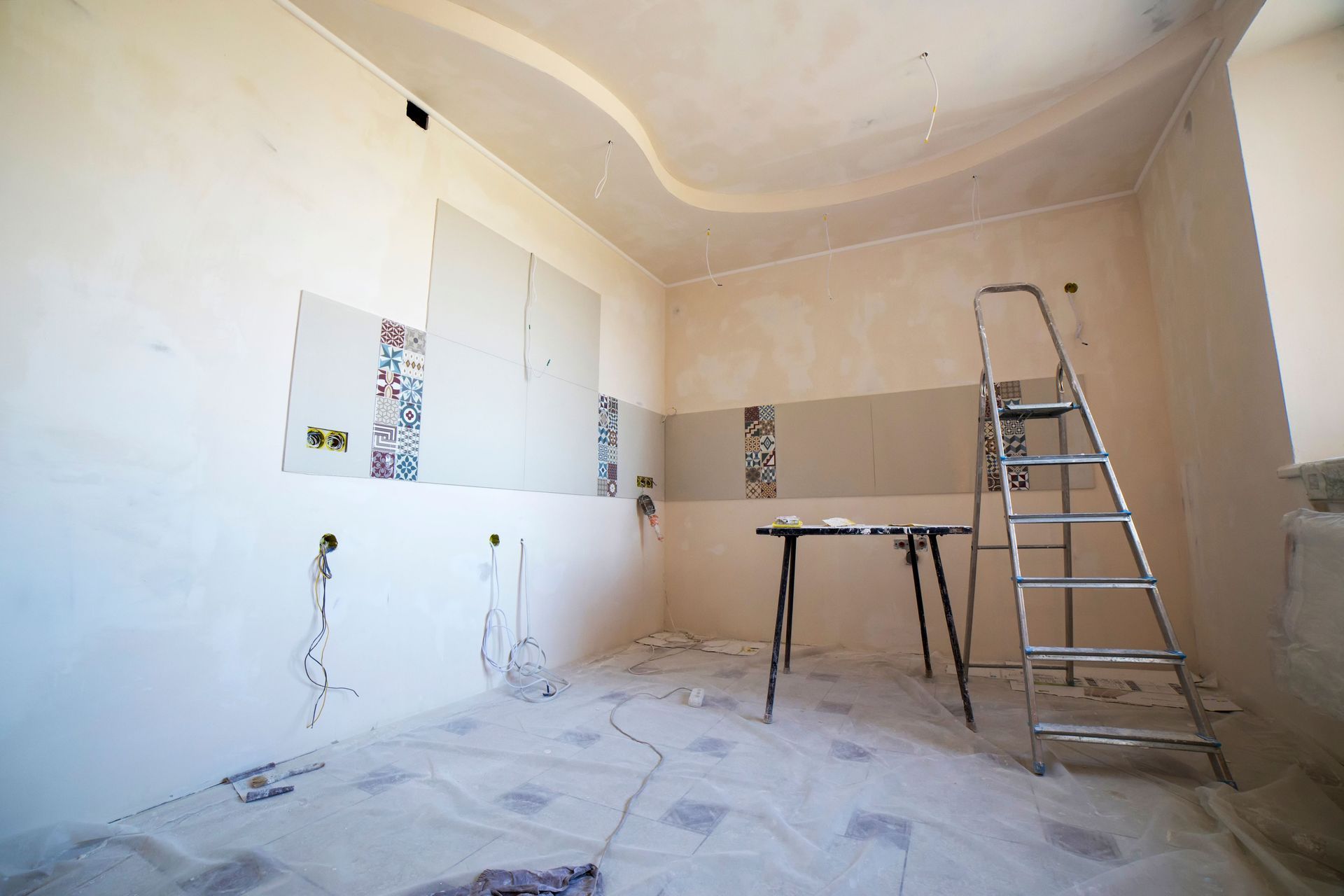
Rental vacancy often begins before a listing ever goes live. If a property is not fully prepared when marketing starts, early interest can be lost, and momentum becomes harder to regain.
A property should be rent-ready before it is introduced to the market, whenever possible. Delays often stem from waiting to address cleaning, paint, flooring, landscaping, safety-related issues, appliance concerns, deferred maintenance, or curb appeal. When these items are handled after inquiries begin, it can slow leasing activity and extend rental property vacancy.
This is especially important in Corvallis, where timing is closely tied to predictable move cycles. Since many renters are working within fixed deadlines, it’s essential to align with these high-intent windows. Missing them can impact the overall rental vacancy rate, even when demand remains steady.
The goal isn’t just to fill a vacancy. It’s to have the property ready and clearly presented so renters know exactly what to expect. Staying ahead on maintenance and inspections helps avoid delays, make a stronger first impression, and keep the property performing over time.
Process Problem #3: The Listing Does Not Give Renters Enough Confidence
Renters quickly compare listings, often deciding whether to take the next step based on how clearly a property is presented. When key details are missing or unclear, interest can drop off, even if the home itself is a strong fit.
Strong listings include clear photos, accurate pricing, complete property details, defined pet policies, and transparent lease terms. They also provide helpful context, outline application steps, and confirm move-in readiness so renters can move forward with confidence.
Local context plays a supporting role, especially in university-driven markets. Referencing areas like Corvallis, Albany, Philomath, and Benton County, along with more specific locations such as proximity to Oregon State University, Downtown Corvallis, South Corvallis, or Northwest Corvallis, helps renters understand where the property fits into their search without overwhelming the listing.
A consistent leasing process ties this together by ensuring information is complete, accurate, and easy to follow, supporting faster decisions and more efficient leasing.
Process Problem #4: Slow Response Times Let Good Renters Move On
Leasing is time-sensitive, and response speed directly affects rental vacancy. Qualified renters often inquire about multiple properties at once, comparing not just the homes themselves but also how easy it is to move forward. When follow-up is delayed, even strong applicants may shift their attention elsewhere.
Response time influences more than initial interest. It impacts showing volume, application completion, renter confidence, perceived professionalism, and, ultimately, how long a property remains unleased. Small delays at any point in the process can compound, increasing overall rental property vacancy.
For owners who prefer a hands-off approach, the question is not whether someone will eventually respond. It is whether the leasing process is structured to respond quickly enough to keep qualified renters engaged while they are actively searching.
Consistent communication helps reduce the rental vacancy rate by maintaining momentum. Clear expectations, proactive updates, and timely follow-up create a more reliable experience for prospective renters while supporting stronger leasing outcomes.
Process Problem #5: Tenant Screening Is Treated As A Final Step Instead Of Part Of The Leasing Strategy
Reducing rental vacancy should not come at the expense of responsible placement. Filling a property quickly can feel urgent, but treating screening as an afterthought can create longer-term issues that outweigh short-term gains.
Consistent tenant screening should be part of the leasing strategy from the start. It requires balancing speed, consistency, compliance, and risk management so qualified applicants can move forward through a clear, documented process.
A structured approach helps protect cash flow, property condition, lease stability, and overall owner confidence. This is especially important in Oregon, where screening practices must align with current Oregon rental regulations and follow fair, compliant standards.
Process Problem #6: Owners Focus On Getting The Property Rented, Not Keeping It Rented
Rental vacancy is often approached as a leasing problem, but long-term performance depends just as much on retention. Processes that support retention include proactive maintenance, clear communication, timely renewal conversations, regular property evaluations, and thoughtful rent increase planning. When these systems are in place, residents are more likely to renew, helping stabilize occupancy and reduce future rental property vacancy.
Focusing only on filling the next opening can create a cycle of turnover. A more consistent approach supports the resident experience, maintains property condition, and leads to more predictable performance, helping protect long-term returns.
What A Strong Vacancy-Reduction Process Looks Like
Reducing rental vacancy comes down to having a clear, repeatable process that supports each stage of the leasing cycle. When each step is handled consistently, properties move more efficiently and perform more predictably over time.
Evaluate The Property Before Notice Or Move-Out
Identify repairs, updates, and condition issues early so there is time to plan and complete the work without delaying the next lease.
Set Rent Using Current Market Data
Base pricing on comparable properties that are actually leasing, not just advertised, to align with real-time demand and reduce rental property vacancy.
Prepare The Property Before Listing
Complete cleaning, maintenance, photos, and curb appeal improvements before marketing begins to avoid losing early interest.
Share A Complete, Accurate Listing
Use strong visuals, clear details, and relevant local context, including Corvallis and the surrounding areas, so renters can quickly understand the opportunity.
Respond Quickly To Inquiries
Timely follow-up helps maintain momentum and keeps qualified renters engaged while they are actively searching.
Screen Consistently And Compliantly
Apply documented criteria within a structured process to support fair, efficient decision-making and protect long-term outcomes.
Manage The Resident Experience After Move-In
Ongoing communication and proactive maintenance help reduce future turnover, supporting a lower rental vacancy rate over time. A process-driven approach brings these steps together through clear systems, defined policies, and consistent execution. When each part of the leasing cycle is aligned, it creates a more reliable experience for both owners and residents while supporting stronger long-term property performance.
How D&A Helps Corvallis Rental Property Owners Reduce Vacancy Through Better Systems
Reducing rental vacancy is not about one adjustment. It comes from a coordinated process that supports pricing, preparation, leasing, and ongoing management.
Professional property management is essential for Corvallis rentals for several reasons, including:
- Market analysis and rent recommendations: D&A bases pricing on current leasing activity and comparable properties, helping align rent with demand and reduce rental vacancy.
- Vacancy advertising and listing distribution: Professional photos and complete listings improve visibility and support leasing activity, helping limit rental property vacancy.
- Leasing coordination and communication: Timely responses and clear application steps keep qualified renters engaged and support a lower rental vacancy rate.
- Tenant screening and placement: A consistent, compliant process ensures qualified applicants move forward efficiently while maintaining clear standards.
- Maintenance coordination and inspections: Proactive maintenance and regular evaluations support property condition and help reduce rental vacancy over time.
For owners who prefer a more hands-off approach, the value lies in a system that keeps the property moving while providing clear visibility at every stage.
Reduce Corvallis Rental Vacancy With a Process-Driven Leasing Strategy
Vacancy in the Corvallis rentals market is not always a reflection of a weak market. In many cases, rental vacancy is influenced by how well a property is positioned, presented, and managed throughout the leasing cycle.
Pricing, preparation, marketing, response time, screening, and retention all play a role in how effectively a rental competes. When these elements are aligned, owners are better positioned to reduce rental vacancy and support more consistent performance over time.
A process-driven approach shifts the focus from short-term fixes to long-term results, emphasizing stability, transparency, and informed decision-making. If you’re an owner looking to better understand your property’s performance, contact D&A to learn more or get your free rental analysis!